

Impact of NexCAR 19
90%
Remission Rate
200+
Patients Treated
2x
Likely To Stay Cancer-free
2yrs
Longest Remission Rate
CAR-T Cell Therapy
Harnessing Your Immune System to Fight Cancer Safely
India faces a growing cancer burden, ranking second globally in cancer mortality. For aggressive B-cell malignancies like Acute Lymphoblastic Leukemia (blood cancer) and Large B-cell Lymphoma (lymph node cancer), over 40% of patients relapse or resist chemotherapy and other standard treatments.
ImmunoACT brings revolutionary CAR-T cell therapy for cancer treatment in India, where a patient’s own immune cells are genetically modified to recognize and destroy cancer cells. This groundbreaking approach has demonstrated remarkable improvements in overall survival and offers new hope for patients seeking advanced CAR-T therapy in India with limited treatment options.

Our Pipeline
Pioneering India's first indigenous CAR-T therapies, we are advancing innovative treatments to combat cancer with targeted, life-saving solutions.

Our Platform
Our proprietary technology platform enables efficient CAR-T cell production with in-house LV & plasmid manufacturing, giving us complete control over every aspect of creating an effective product.

NexCAR19: The Living Drug
NexCAR19, India's first approved CAR-T therapy, transforms patients' immune cells into living cancer-fighting agents, offering hope where conventional treatments fail.
Innovation-led. Research-first. Fully Indian.
Born at IIT Bombay.
Born at IIT Bombay.
Built for the World.
ImmunoACT was established in 2018 as a spin-off from IIT Bombay's Biosciences & Bioengineering department, built on research that began in 2013. Every aspect of our CAR-T platform - from construct design to manufacturing - was developed entirely in India.
No in-licensed technology. No external dependencies. Our intellectual property is fully proprietary, now protected by a granted United States patent - a global validation of Indian-origin science.
Incubated at SINE (Society for Innovation and Entrepreneurship), IIT Bombay, our roots are academic, our engine is science, and our journey is built on self-reliant innovation.
U.S. Patent Granted
SINE IIT Bombay Incubatee
DCGI Approved
2013
Research begins at IIT Bombay
2018
ImmunoACT incorporated at SINE, IIT Bombay
2020
IND filed; Phase I clinical trial commences
2021
First-in-human doses at Tata Memorial Hospital
2023
DCGI market authorisation - India's first CAR-T approval
2025
Lancet Haematology publication · U.S. patent granted
2026
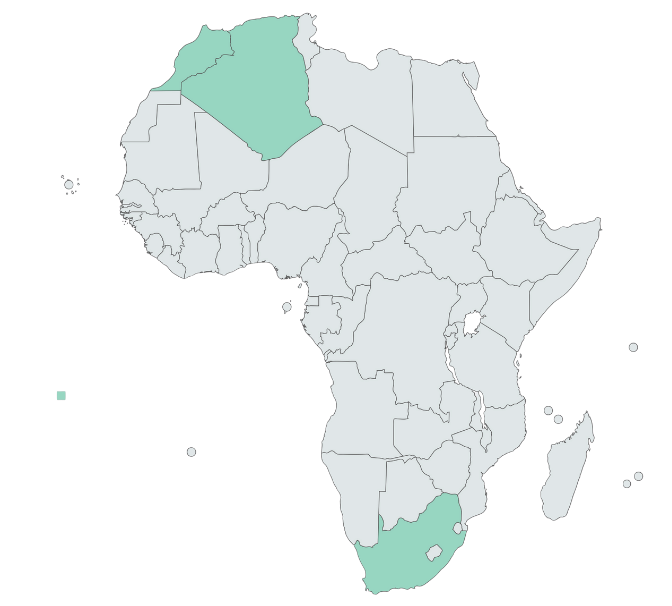
600+ infusions · Second GMP facility · Africa partnership
Global Benchmarks in CAR-T Science
Not an Alternative. A New Standard.
Setting the Pace in CAR-T Manufacturing
From developing the world's first humanised CAR-T construct to achieving 98% manufacturing success rates, ImmunoACT sets new global benchmarks. Our therapy is manufactured in approximately 20 days from apheresis to infusion - significantly faster than the 40+ day timelines typical of global CAR-T programmes - and delivered as a single-dose infusion.
Phase I/II results published in The Lancet Haematology (2025) validate what our clinical teams have seen: durable, meaningful responses in patients who had exhausted all prior lines of treatment.1
1Phase I/II clinical results. Individual outcomes may vary. Specialist assessment required.
~20
Vein-to-Vein Time
days from apheresis to infusion
98%
Manufacturing Success Rate
WHO-certified GMP facility
72%
Overall Response Rate B-NHL
Published Phase I/II data
73%
Overall Response Rate B-ALL
Published Phase I/II data
600+
Patients Treated
Across 130+ authorised centres
Real Stories of Hope
At ImmunoACT, we believe that every patient story matters. Our CAR-T cell therapies are transforming lives-bringing hope where options were once limited. These powerful testimonials reflect not only the resilience of our patients but also the impact of cutting-edge, gene-modified cell therapy. As we work alongside leading healthcare institutions, academic collaborators, and strategic partners, our mission remains clear: to expand equitable access to advanced immunotherapies and redefine cancer care in India and beyond.
Our Manufacturing Facility
At ImmunoACT, our advanced manufacturing facility is purpose-built to deliver high-quality, safe, and scalable cell and gene therapies. With the capacity to treat up to 750 patients annually, we ensure timely and consistent access to life-saving treatments.
Built for Precision.
Designed for Patients.
Designed for Patients.
WHO-Certified GMP Facility
Global quality and safety standards ensuring purity, consistency, and efficacy in every therapy batch.
98% Manufacturing Success Rate
Industry-leading cell engineering success across all patient cohorts, minimising failures and therapy delays.
↑ 98% Manufacturing Success
Scalable Treatment Capacity
Expanding from 750 to 1,500 patients per year to meet growing demand and reduce treatment wait times.
↑ 1,500 Patients / Year
End-to-End Manufacturing
Fully integrated process from plasmid design to viral vector production and ex-vivo cell engineering.
Rapid and Reliable Delivery
Streamlined operations for fast turnaround, ensuring therapies reach patients when they need them most.
Global-Standard Quality Control
Dedicated QC/QA units rigorously test and validate each batch before release, meeting stringent benchmarks.
Clinician-Centric Support
Backed by experts in clinical trials, regulatory affairs, and treatment logistics to simplify doctor workflows.
Patient-Focused Outcomes
Every process is designed with one goal: enabling safe, accessible, and effective therapies for every patient.
Traceability and Audit Integrity
Robust chain-of-identity systems ensure full traceability from apheresis to infusion-ready product.
Partnered Hospitals
Our strong association with over 130 + leading cancer treatment hospitals in India ensures hassle-free treatment with our CAR-T cell therapies.

Strategic Collaborations
To advance the research and development of our innovative gene-modified cell therapies, we are fostering relationships across academia, healthcare institutions, and strategic partnerships with the intent to equitize access.



Media
Beyond Borders: ImmunoACT and India's Emergence as one of the World's Most Accessible CAR-T Destination
ANI
29 Apr 2026Two years since launch, India’s first indigenous CAR-T therapy enters its scale phase
Karnataka News Network
11 Mar 2026Renewed hope: An Indore MPPSC aspirant’s recovery after relapsed leukemia
IANS
17 Apr 2026Publications
Read our publications, published in prestigious journals such as The Lancet Haematology, Molecular Cancer Therapeutics by AACR and Blood by the American Society of Hematology.
Enabling access to talicabtagene autoleucel in relapsed/refractory B-cell malignancies; multicenter real-world evidence on delivery, efficacy and safety
Article
July 16, 2026Blood Cancer Journal
Talicabtagene Autoleucel for Relapsed or Refractory B-cell Malignancies: Results from an Open-label, Multicentre, Phase 1/2 Study
Article
Apr 1, 2025The Lancent Haemotology
Excellent Safety Profile of a Low-Cost Novel Humanized CD19 CAR T-Cell Therapy, Actalycabtagene Autoleucel : Potential Impact on Access and Feasibility
Abstract
Dec 9, 2023American Society of Hematology Meeting
Real Stories of Hope


Ramnath Vishnu
Cancer Survivor
Lorem ipsum dolor sit amet, consectetur adipiscing elit. Integer leo enim, fringilla sit amet massa vitae, faucibus consectetur neque…
Ramnath Vishnu
Cancer Survivor
Lorem ipsum dolor sit amet, consectetur adipiscing elit. Integer leo enim, fringilla sit amet massa vitae, faucibus consectetur neque…
Ramnath Vishnu
Cancer Survivor
Lorem ipsum dolor sit amet, consectetur adipiscing elit. Integer leo enim, fringilla sit amet massa vitae, faucibus consectetur neque…
Harnessing Your Immune System to Fight Cancer Safely
Begin Your Personalized Cancer Treatment Journey
